Un reportage straordinario frutto di 10 anni di lavoro in 74 prigioni del continente.
Ecco la testimonianza del fotografo
Valerio Bispuri: Per quasi dieci anni ho seguito la situazione delle carceri nel continente sudamericano.
Un'immersione in un mondo che all'inizio sembrava "diverso", complicato, fatto spesso di violenze e soprusi. Con il tempo però ho scoperto come i detenuti tentino sempre di creare un loro spazio, molto simile a quello che avevano fuori le sbarre, e facciano di tutto per mantenere una loro dignità.
 Santiago de Chile, Penitenceria, marzo 2008, alcuni detenuti rinchiusi nel loro padiglione aspettano di uscire nel patio.
 Lima, Perù, dicembre 2006, carcere di San Pedro, il più grande del Perù e il secondo del Sud America con i suoi 9600 detenuti. Nella foto, alcuni prigionieri rinchiusi nelle celle di isolamento.
Le carceri sono un riflesso della società, uno specchio di quello che succede in un paese, nei piccoli drammi e nelle grandi crisi economiche e sociali. La prigione è una comunità, un non luogo in cui però si vive ogni giorno con ritmi e spazi precisi e per "difendersi" i detenuti sono costretti a tentare di ricostruire le proprie abitudini, anche in condizione spesso al limite dell'umano.
 Santiago de Chile, Penitenceria, marzo 2008, un padiglione dell'immenso carcere; qui vivono ammassati più di 300 detenuti per una capacità massima di 60.
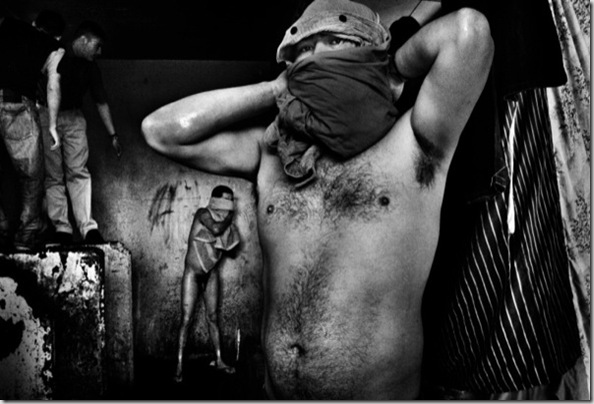 Santiago de Chile, Penitenceria, marzo 2008, alcuni detenuti nel bagno comune.
Una realtà in molti casi estremamente difficile, soprattutto a causa del sovraffollamento e della violenza che ne consegue, della droga e della gestione del potere all'interno del carcere.
In Brasile pur avendo i permessi per entrare a fotografare il direttore ha dovuto chiedere l'autorizzazione a un gruppo di "comando" che gestiva completamente il carcere.
 Montevideo, Uruguay, 2006, un detenuto nella sua piccola cella.
 Rio de Janeiro, Brasile, ottobre 2007, carcere femminile del complesso di Bangù, un detenuta balla e gioca nella grande camerata che ospita oltre 50 detenute.
In Venezuela c'era una parete di una prigione trivellata di proiettili e le guardie mi spiegavano che i detenuti sparavano per festeggiare uno di loro che usciva. Altri mostravano con aria di sfida i loro coltelli e chi non era armato diventava una sorta di schiavo.
 Montevideo, Uruguay, febbario 2006, detenuti in doccia.
 Quito, Ecuador, luglio 2004, carcere femminile, una detenuta lava i panni nel lavatoio del bagno.
Nella Penitenceria di Santiago del Cile invece nell'ora d'aria i detenuti esasperati dal sovraffollamento e dalla condivisione spesso di un solo bagno per oltre 50 persone, scaricano l'energia accumulata facendo dei veri e propri duelli con spadoni ricavati dai vecchi tubi della struttura.
 Quito, Ecuador, luglio 2004, carcere femminile, una detenuta tra le sbarre guarda tra disperazione e rabbia.
 Quito, Ecuador, luglio 2004, carcere femminile, due detenute protestano perché non è loro concesso di ricevere la "visita intima" (la possibilità di avere rapporti sessuali con il proprio compagno)
Le regole dentro i carceri sono le stesse che fuori, chi ha più soldi gestisce, chi ha più potere comanda. A volte si formano bande che si scannano tra loro, ma nel quotidiano ci sono anche tanti momenti di pausa dove si gioca a pallone, si scherza, per le donne ci si trucca come per uscire...
 Montevideo, Uruguay, febbraio 2006, un detenuto nella sua cella dopo aver finito di fare palestra
 Caracas, Venezuela, febbraio 2009, Rodeo 1, alcuni detenuti con uno sguardo minaccioso o triste guardano dal loro padiglione attraverso un'apertura nella parete.
Il filo conduttore che ha legato tutto il lavoro è stato il desiderio di scoprire ogni paese del Sud America singolarmente e in un contesto globale. Sono voluto entrare nella profondità del contesto carcerario non tanto per denunciare una situazione spesso al limite della sopravvivenza, ma per raccontare cosa ancora unisce e divide oggi il Sud America.
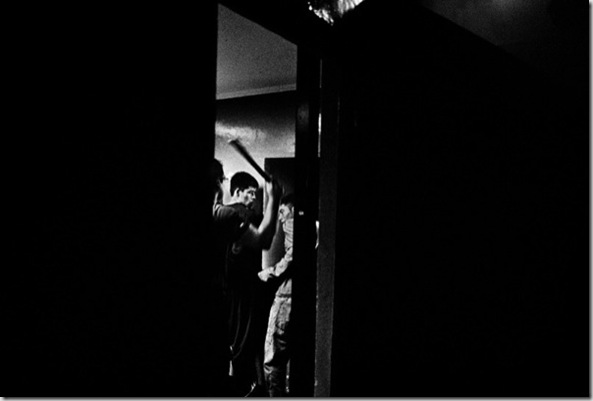 Santiago de Chile, Penitenceria, marzo 2008, una guardia picchia con il manganello un detenuto appena entrato in carcere.
 Caracas, Venezuela, febbraio 2009, Rodeo 1, un detenuto piegato a fare i propri bisogni in un corridoio stretto, adibito a bagno
Ho girato per 74 carceri sudamericane, maschili e femminili (Ecuador, Perù, Bolivia, Argentina, Cile, Uruguay, Brasile, Colombia e Venezuela), sono entrato in contatto con detenuti e guardie, con la paura e la rabbia, con la speranza e la sfiducia.
 Bogotà, Colombia, dicembre 2007; l'ora d'aria nel carcere di Combita, di massima sicurezza, dove sono rinchiusi molti degli ex capi della FARC. Nessun fotografo straniero era mai potuto entrare in questa struttura
 Santiago de Chile, Penitenceria, marzo 2008, detenuti fuori dalle loro celle si guardano in giro.
Alcuni detenuti mi hanno visto come una possibilità o semplicemente un diversivo, altri con invidia, altri ancora con disprezzo perché pensavano che ero lì solo per vendere le foto della loro vita richiusa.
 Rio de Janeiro, Brasile, ottobre 2007, carcere femminile, una detenuta e una guardia.
 Lima, Perù, dicembre 2006, carcere femminile, alcune detenute ballano nel cortile della prigione.
Ogni carcere è stato un modo per raccontare un continente da "dentro" e da fuori, scoprendone anche luci lì dove tutto sembra spento e il riflesso della violenza e dalla vitalità si contrappongono in un unico segmento che è poi la storia del Sud America.
All images © Valerio Bispuri
Credit: Photos and Test