
lunedì 31 dicembre 2012


domenica 30 dicembre 2012
LE PALLINE BALLERINE | FABIAN OEFNER
Far danzare i colori
Quando le giornate si accorciano non c'è meglio di un momento di colore per ravvivare la giornata.
Oggi vi proponiamo le danze di Fabian Oefner e delle sue palline.

A far muovorle è l'altoparlante posto orizzontalmente sotto le biglie: a ogni musica, a ogni sound corrisponde un movimento, una danza diversi, prontamente immortalati dal fotografo svizzero.


![clip_image002[4]](https://blogger.googleusercontent.com/img/b/R29vZ2xl/AVvXsEhb5jIHJhjuCvcwzJULUyZcI33CfKSv22vbDu9IGSUkmAJol46m8Q8hXHpt4HX0T6biJ9lnXH-RURz5p-cbezKuFQGbFQDfLEY7F1C0SBf_fRAEPryeJCN-NDJCu35mx3Q4aNzkT-SrGj7M/s1600-h/clip_image002%25255B4%25255D%25255B4%25255D.jpg "clip_image002[4]")

E mentre vi godete lo spettacolo danzante, vi consigliamo di fare un giro anche qui: sono in corso esplosioni di colore!
Fonte
sabato 29 dicembre 2012
AMANDA RIVKIN | PHOTOGRAPHER
Amanda Rivkin, born in 1984, is an American photojournalist based in Baku, Azerbaijan. Rivkin began her career as a print journalism intern at the Associated Press in Madrid in 2007, and later spent time developing several photography projects in Ethiopia and her hometown of Chicago.

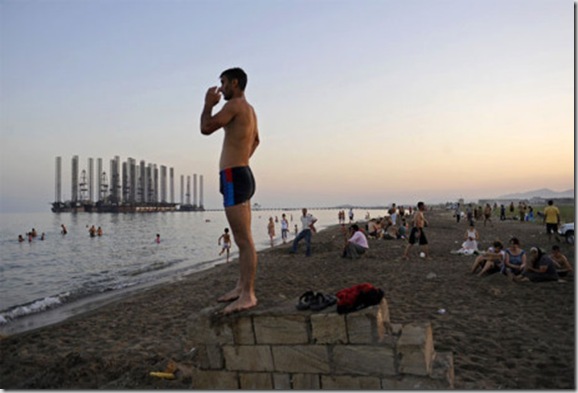 Baku, Azerbaijan 2010
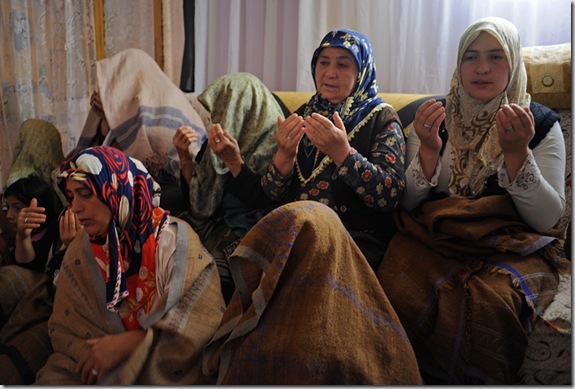
Between 2008-2009 she covered the Midwest region of the United States focusing on local politics, the financial crisis and social issues with The New York Times as a primary client. She soon began working on assignment for clients such as Courrier Japan, The Financial Times, Le Monde and Newsweek.

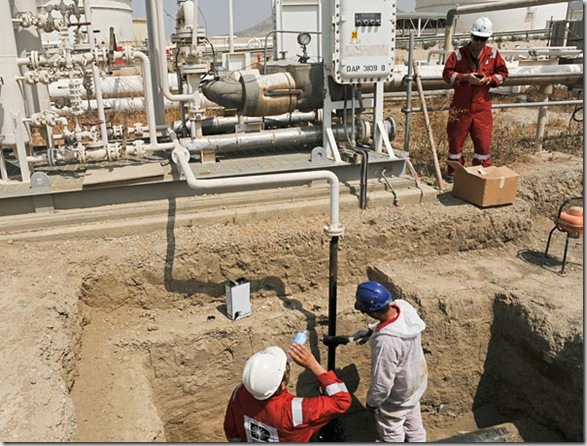
In 2009 she received a merit-based scholarship to Georgetown University's School of Foreign Service for security studies, and began to focus on photographing abroad. Rivkin received a Young Explorers Grant from the National Geographic Society in 2010 to photograph life along the Baku-Tbilisi-Ceyhan oil pipeline in Azerbaijan, Georgia and Turkey. In 2011 she was awarded a Fulbright fellowship in photography to return to Azerbaijan.

Fonte
 Ethiopia
 Ethiopia
>>>

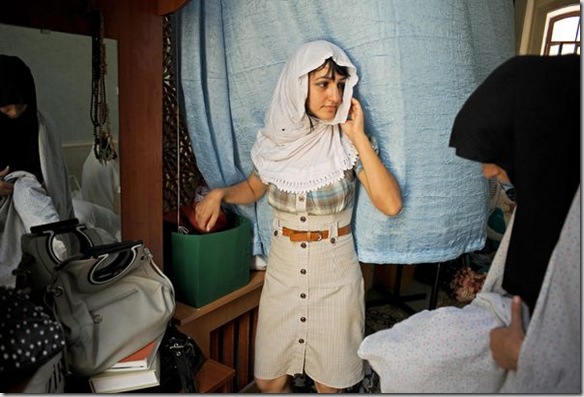
An Italian tourist prays inside the only remaining synagogue in Córdoba’s jewish quarter.
 Baku, Azerbaijan 2010
Between 2008-2009 she covered the Midwest region of the United States focusing on local politics, the financial crisis and social issues with The New York Times as a primary client. She soon began working on assignment for clients such as Courrier Japan, The Financial Times, Le Monde and Newsweek.

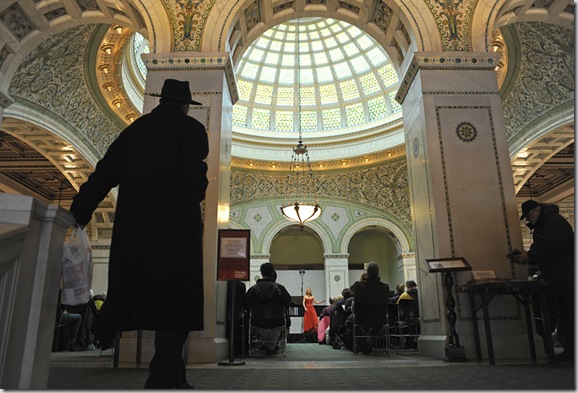
Chi Cultural Center

Energy Baku Tbilisi ceyhan pipeline armenian ruins (Skirting Ancient Ruins)


Energy Baku Tbilisi ceyhan pipeline armenian ruins (The Start of the Line)

Energy Baku Tbilisi ceyhan pipeline armenian ruins (The View From a Distance)

Energy Baku Tbilisi ceyhan pipeline armenian ruins (A New World Unveiled)
Fonte
 Ethiopia
 Ethiopia


venerdì 28 dicembre 2012
ROBERT FRANK | PHOTOGRAPHER
American, born Switzerland, 1924
Robert Frank's fine flatulent black joke on American politics can be read as either farce or anguished protest. It is possible that Frank himself was not sure which he meant. In 1956, he was still a relative newcomer to the United States, and his basic reaction might well have been one of dumb amazement as he investigated the gaudy insanities and strangely touching contradictions of American culture.
 Ben James and His Wife, Wales 1953 © Robert Frank
  Ben James, Wales 1953 © Robert Frank
 Caerau, Wales 1953 © Robert Frank
  Café, Beaufort, South Carolina © Robert Frank
  Canal Street– New Orleans-The Americans. (plate 19) © Robert Frank , 1955
  Charleston, South Carolina © Robert Frank
  Elevator, Miami Beach, 1955 © Robert Frank
  Frank sought to compile a spontaneous record of a man seeing this country for the first time. Indianapolis, 1956 is typically short on particulars but laden with symbols. © Robert Frank
  London 1951-52 © Robert Frank
  © Robert Frank – Paris – 1949 /1952
 from "Looking at Photographs " by John Szarkowski
All images © Robert Frank
Iscriviti a:
Post (Atom)
