Ilha Grande, Big Island, is an unspoiled paradise off the coast of Rio de Janeiro. Waterfalls cascade from jungle covered mountains into a turquoise ocean that surrounds 107 white-sand beaches. Returning several times in my youth, I imagined this was how Brazil looked before its discovery in 1500.
 O Vermelhão - The Big Red, as this bull was called, stands in front of the entrance door. Except over the surrounding walls, from this point on there were no guards. The leaders of the criminal organization Comando Vermelho - C.V., Red Command, controlled all those incarcerated.
 Caldeirão do Diabo - Devil's Caldron, Abandonada - Abandoned, and Maldita - Accursed, were all nicknames that identified this hellish place.

Contrasting with the innocence and tranquility of the island was a prison known as The Devil's Caldron; the place on earth where heaven ended and hell began. It held hundreds of inmates with some of the darkest reputations; and stories of violent deaths, tortures and rapes.
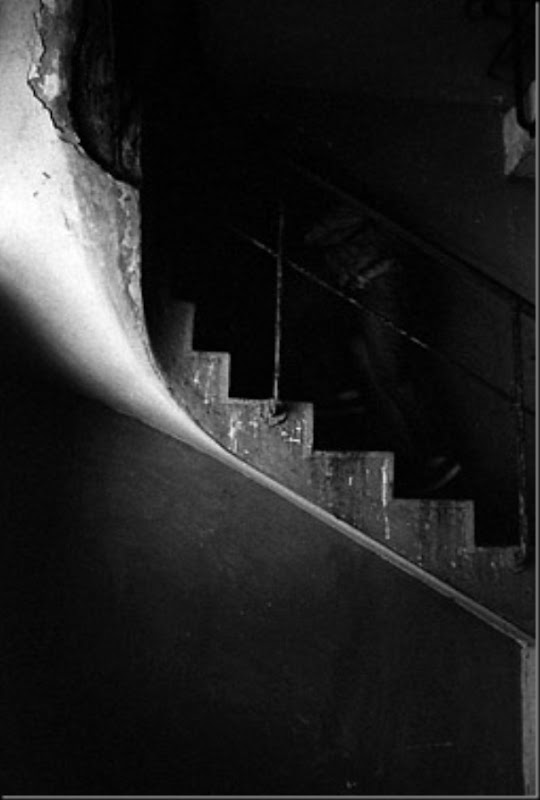 The dirty walls from the kitchen was scarred with bullet holes and marked with traces of the fires, rebellions, and innumerous fights that earned this place a historic reputation as one of the most notorious prisons in the world.
 Because they barely had space inside their rooms, the inmates used the corridor as part of their cell.
 In April of 1994, after eight months of my witnesses and 53 years of the prison's function, the entire inmate population was transferred off the island and the building demolished.
It was inside The Devil's Caldron, during Brazil's military dictatorship, that the government made an historic mistake. Imprisoning militant revolutionaries together with common criminals. A policy which instigated the evolution of the Comando Vermelho - C.V.; the largest criminal organization in Brazil.
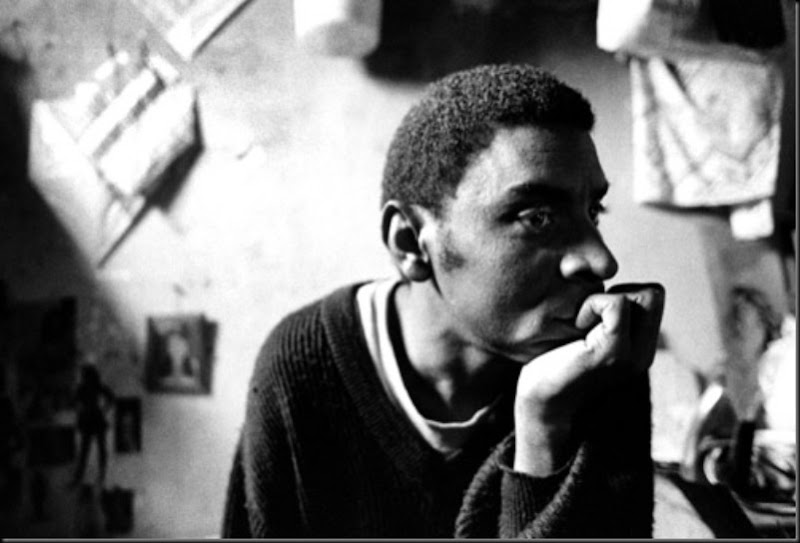 Even surrounded by over 600 inmates one can feel alone.
 It was inside The Devil's Caldron, during Brazil's military dictatorship, that the government made a historic mistake. Imprisoning militant revolutionaries together with common criminals. A policy which instigated the evolution of the Comando Vermelho - C.V.; the largest criminal organization in Brazil.
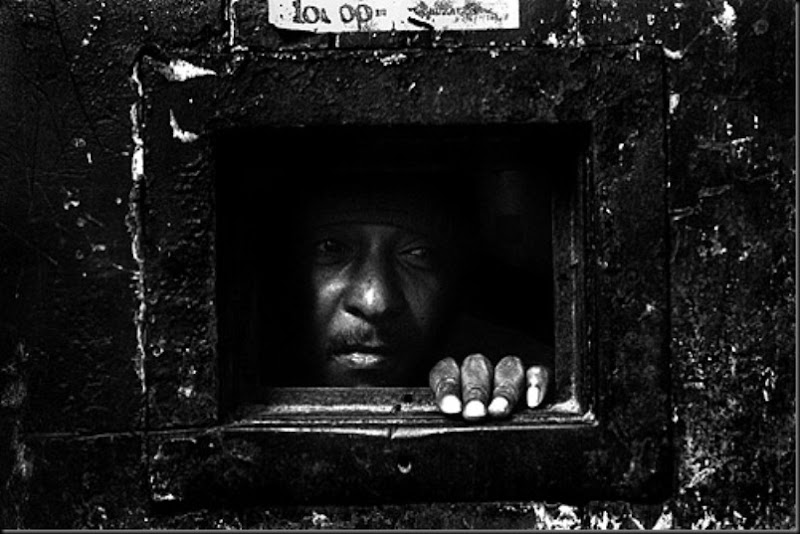 Cell Window
After nearly a decade, I returned to Ilha Grande, not to enjoy the beauty of paradise but to share the experience of 600 inmates living inside the Penal Institution of Candido Mendes. My concern was to document the prison before its closure. I had been told that the government wanted to erase the memory of its wretched past by sending the inmates to the mainland and demolishing the heavily deteriorated structure.
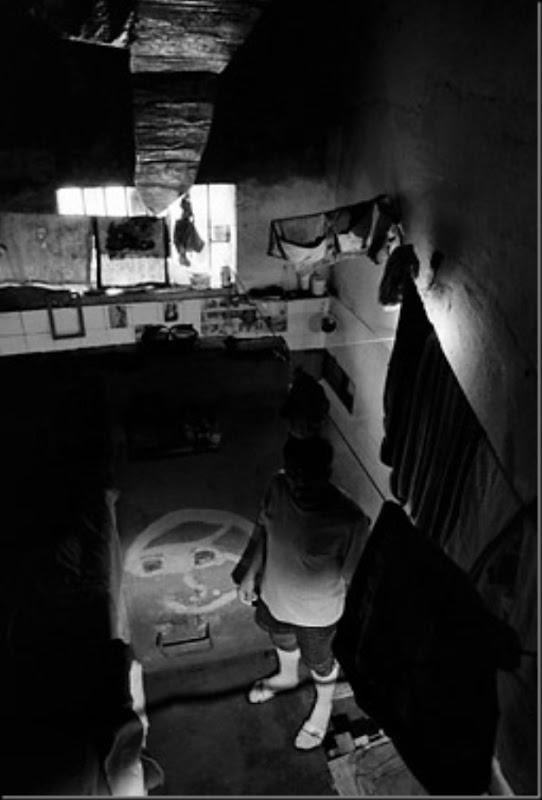 Inside one cell
 Between the porno photos, on each wall, was one framed image of the saint Nossa Senhora Aparecida, The National Patroness of Brazil. On the table there is a picture of his wife set next to a hand made lamp.
 Steam comes out from the big Caldron, spreading all through the kitchen. A sweaty prisoner uses a huge wooden spoon to stir the food. There are cockroaches all around. On the floor, I a rat ran from one side to the other. "Those rats are everywhere. At night in my room, I sometimes put food for them by my bed so they can leave me to sleep in peace", said one inmate.
I attempted to capture the unguarded dark image of life inside the Devil's Caldron. My hope is to reflect the pain and desolate loneliness inmates felt when serving time - time in a prison surrounded by a paradise that teased them with what was forbidden.
 Serving lunch.
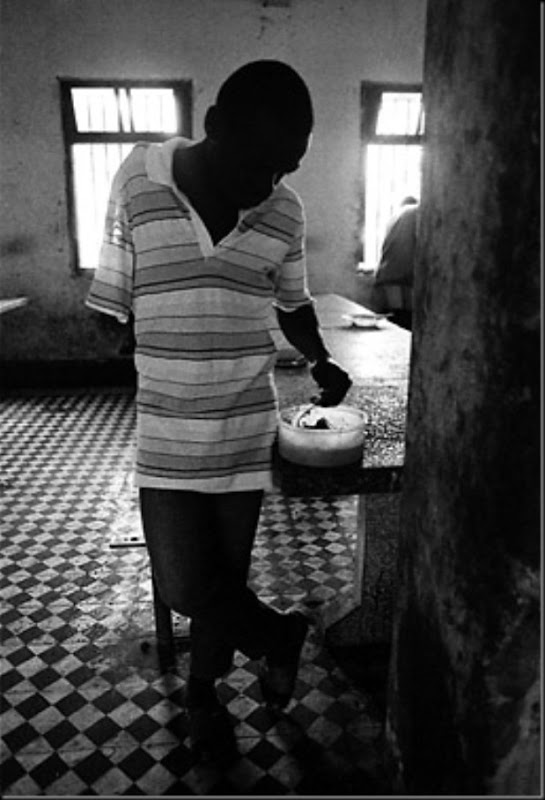 The refectory had several concrete tables and benches, but most of them were broken during riots, which obligated the prisoners to eat standing.
 Refectory after lunch.
In April of 1994, after eight months of my observation and 53 years of the prison's function, the entire inmate population was transferred off the island and the building demolished.
>>>
 O Vermelhão - The Big Red, as this bull was called, stands in front of the entrance door. Except over the surrounding walls, from this point on there were no guards. The leaders of the criminal organization Comando Vermelho - C.V., Red Command, controlled all those incarcerated.
  Caldeirão do Diabo - Devil's Caldron, Abandonada - Abandoned, and Maldita - Accursed, were all nicknames that identified this hellish place.
The penitentiary of Cândido Mendes, held hundreds of inmates with some of the darkest reputations; and stories of violent deaths, tortures and rapes. It's confinement was condemned by United Nations.
Contrasting with the innocence and tranquility of the island was a prison known as The Devil's Caldron; the place on earth where heaven ended and hell began. It held hundreds of inmates with some of the darkest reputations; and stories of violent deaths, tortures and rapes.
 The dirty walls from the kitchen was scarred with bullet holes and marked with traces of the fires, rebellions, and innumerous fights that earned this place a historic reputation as one of the most notorious prisons in the world.
  Because they barely had space inside their rooms, the inmates used the corridor as part of their cell.
  In April of 1994, after eight months of my witnesses and 53 years of the prison's function, the entire inmate population was transferred off the island and the building demolished.
 Even surrounded by over 600 inmates one can feel alone.
  It was inside The Devil's Caldron, during Brazil's military dictatorship, that the government made a historic mistake. Imprisoning militant revolutionaries together with common criminals. A policy which instigated the evolution of the Comando Vermelho - C.V.; the largest criminal organization in Brazil.
  Cell Window
  Inside one cell
  Between the porno photos, on each wall, was one framed image of the saint Nossa Senhora Aparecida, The National Patroness of Brazil. On the table there is a picture of his wife set next to a hand made lamp.
  Steam comes out from the big Caldron, spreading all through the kitchen. A sweaty prisoner uses a huge wooden spoon to stir the food. There are cockroaches all around. On the floor, I a rat ran from one side to the other. "Those rats are everywhere. At night in my room, I sometimes put food for them by my bed so they can leave me to sleep in peace", said one inmate.
  Serving lunch.
  The refectory had several concrete tables and benches, but most of them were broken during riots, which obligated the prisoners to eat standing.
  Refectory after lunch.
All Photos © André Cypriano


![clip_image002[7]](https://blogger.googleusercontent.com/img/b/R29vZ2xl/AVvXsEhrz3rcDoi6jrAZpmwoX4WNfcBeishdpMdx7yoVCCJVR0fSLuozquc9RrxXnlVNWWjII_I-B2zb0sG1aiCCXlaPsTSOgdGdrdimMz6kylKFa8KFTDN_nleETq_daSvDAyYEufbqolDa3_lX/s1600-h/clip_image002%5B7%5D%5B6%5D.jpg "clip_image002[7]")